


Expert Marine Diesel Service for Boats
- Michael Ahern

- Oct 23, 2025
- 5 min read
Owning a boat means enjoying the freedom of the open water, but it also means taking care of your vessel’s heart - the engine. Diesel engines are the powerhouse behind many boats, known for their durability and efficiency. However, like any complex machinery, they require regular attention to keep running smoothly. In this post, I’ll share everything you need to know about expert diesel engine servicing for boats. Whether you’re a seasoned sailor or new to boating, this guide will help you maintain your engine’s health and extend its lifespan.
Why Diesel Engine Servicing Matters
A diesel engine is a robust piece of equipment, but it’s not invincible. Over time, wear and tear, fuel quality, and operating conditions can affect its performance. Regular diesel engine servicing is essential to:
Prevent breakdowns: Catching small issues early can save you from costly repairs and inconvenient downtime.
Improve fuel efficiency: A well-maintained engine uses fuel more efficiently, saving you money on long trips.
Extend engine life: Routine checks and maintenance help your engine last longer, protecting your investment.
Ensure safety: A reliable engine means safer journeys on the water.
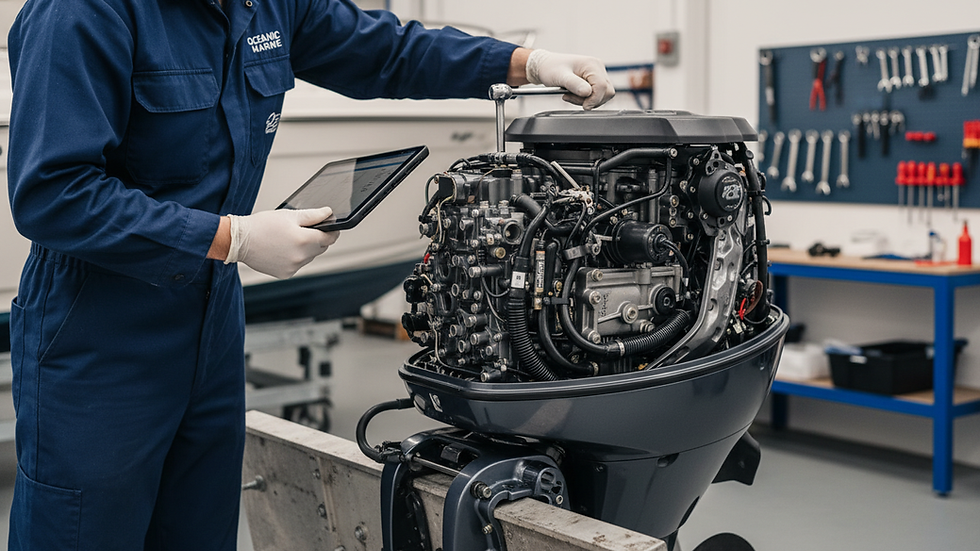
During servicing, technicians inspect key components such as fuel filters, injectors, cooling systems, and belts. They also check for leaks, corrosion, and wear. This thorough approach ensures your engine runs at peak performance.

What Does Diesel Engine Servicing Include?
When you bring your boat in for diesel engine servicing, you can expect a comprehensive check-up tailored to your engine’s needs. Here’s what a typical service involves:
Fuel System Inspection
The fuel system is critical for engine performance. Filters are replaced to prevent contaminants from reaching the engine. Injectors are cleaned or replaced to ensure proper fuel delivery.
Oil and Filter Change
Fresh oil lubricates engine parts, reducing friction and wear. Changing the oil filter removes impurities that could damage the engine.
Cooling System Check
The cooling system prevents overheating. Technicians check coolant levels, hoses, and the water pump to avoid engine damage.
Belt and Hose Inspection
Belts and hoses wear out over time. Replacing them before failure prevents breakdowns.
Battery and Electrical System Test
A strong battery and reliable electrical connections are vital for starting and running the engine.
Exhaust System Examination
Checking for leaks or blockages ensures safe and efficient exhaust flow.
Engine Performance Test
After servicing, the engine is tested under load to confirm everything is working correctly.
Regular servicing not only keeps your engine healthy but also helps maintain your boat’s resale value.
How Often Should Marine Diesel Injectors Be Serviced?
Injectors play a crucial role in delivering fuel to the engine’s combustion chamber. Over time, they can become clogged or worn, leading to poor engine performance, increased fuel consumption, and higher emissions. So, how often should you service them?
Every 1,000 to 1,500 hours of operation is a common recommendation, but this can vary based on engine type and usage.
If you notice symptoms like rough idling, difficulty starting, or reduced power, it’s wise to have the injectors checked sooner.
Regular fuel filter changes help protect injectors by keeping contaminants out of the fuel system.
Professional servicing includes cleaning or replacing injectors as needed. This ensures your engine runs smoothly and efficiently.

Signs Your Diesel Engine Needs Servicing
Knowing when to service your diesel engine can save you from unexpected failures. Here are some common signs that indicate it’s time for a check-up:
Unusual noises: Knocking or rattling sounds can signal internal engine issues.
Excessive smoke: Black, white, or blue smoke from the exhaust may indicate fuel or combustion problems.
Reduced power: If your boat struggles to reach usual speeds, the engine might be underperforming.
Hard starting: Difficulty starting the engine can point to fuel or electrical issues.
Fuel smell: A strong fuel odor could mean leaks or injector problems.
Warning lights: Dashboard alerts should never be ignored.
If you experience any of these symptoms, schedule a professional diesel engine servicing promptly. Early intervention can prevent costly repairs and keep your boat ready for the water.
Choosing the Right Service Provider
Selecting a trusted service provider is key to maintaining your diesel engine’s health. Here’s what to look for:
Experience and expertise: Choose technicians who specialize in marine diesel engines.
Comprehensive services: Look for providers offering full engine diagnostics, repairs, and maintenance.
Quality parts and tools: Ensure they use genuine parts and modern equipment.
Customer reviews: Positive feedback from other boat owners is a good sign.
Clear communication: A good service provider explains the work needed and costs upfront.
For reliable and professional care, I recommend checking out marine diesel service. Their team understands the unique demands of marine engines and offers tailored solutions to keep your boat running smoothly.
Tips for Maintaining Your Diesel Engine Between Services
While professional servicing is essential, there are simple steps you can take to care for your diesel engine between visits:
Use high-quality fuel: Poor fuel can cause injector clogging and engine damage.
Check oil and coolant levels regularly: Top up as needed to avoid overheating and wear.
Inspect belts and hoses: Look for cracks or wear and replace if necessary.
Run the engine regularly: This prevents fuel from degrading and keeps components lubricated.
Flush the cooling system: Especially after saltwater use, to prevent corrosion.
Keep the engine clean: Remove dirt and salt deposits to avoid corrosion.
By following these tips, you can help your engine stay in top shape and reduce the risk of unexpected problems.
Planning Your Next Diesel Engine Service
Scheduling regular diesel engine servicing is a smart investment in your boat’s reliability and safety. Here’s how to plan effectively:
Follow manufacturer recommendations: Check your engine manual for service intervals.
Keep a maintenance log: Record all services and repairs to track your engine’s history.
Book in advance: Service centres can get busy, especially before boating season.
Prepare your boat: Clean the engine area and note any issues you’ve noticed.
Ask questions: Don’t hesitate to discuss concerns or ask for advice during the service.
Taking a proactive approach to maintenance ensures your boat is always ready for your next adventure.
Taking care of your boat’s diesel engine doesn’t have to be complicated. With regular expert servicing and simple maintenance habits, you can enjoy smooth, reliable performance on every trip. Remember, a well-maintained engine is the key to safe and enjoyable boating. If you’re looking for trusted professionals, consider marine diesel service to keep your engine in peak condition. Safe travels on the water!


Comments