


The Importance of Outboard Engine Maintenance

Owning a boat is a rewarding experience, but it comes with responsibilities. One of the most crucial tasks is keeping your outboard engine in top shape. Proper maintenance ensures your boat runs smoothly, safely, and efficiently. Neglecting this can lead to costly repairs or even dangerous situations on the water. In this post, I’ll share why regular outboard engine maintenance is essential and how it benefits you in the long run.
Why Outboard Engine Maintenance Matters
Your outboard engine is the heart of your boat. It powers your adventures and keeps you moving across the water. Like any mechanical device, it needs regular care to perform well. Here’s why maintenance is so important:
Reliability: Regular checks prevent unexpected breakdowns. You want your engine to start every time without fail.
Safety: A well-maintained engine reduces the risk of accidents caused by engine failure.
Fuel Efficiency: Clean and tuned engines use fuel more efficiently, saving you money.
Longevity: Routine care extends the life of your engine, protecting your investment.
Resale Value: A well-maintained engine increases your boat’s resale value.
Ignoring maintenance can lead to corrosion, clogged fuel lines, and worn-out parts. These issues can cause your engine to stall or stop working altogether.
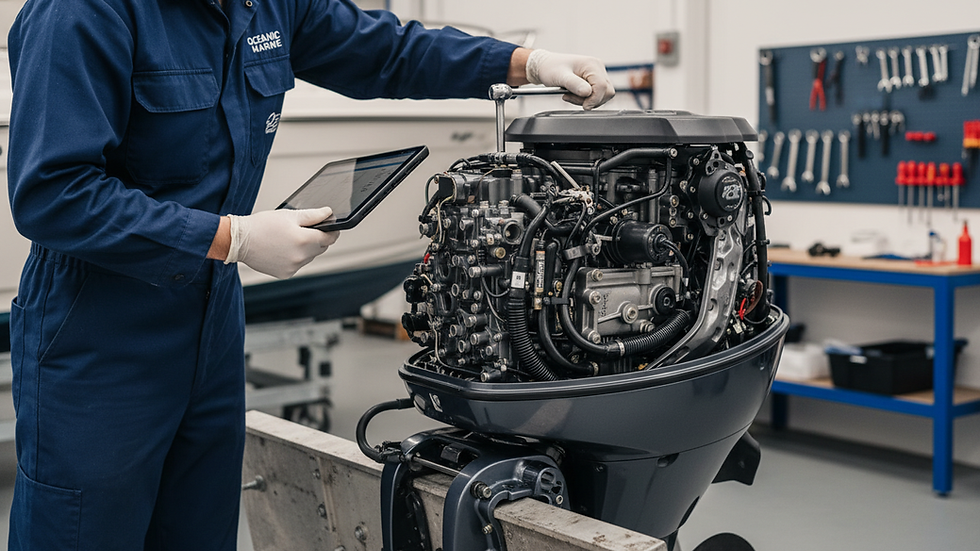
Essential Outboard Engine Maintenance Tasks
Maintaining your outboard engine involves several key tasks. Doing these regularly keeps your engine in excellent condition:
Check and Change the Oil: Engine oil lubricates moving parts. Check oil levels before each trip and change it as recommended by the manufacturer.
Inspect the Propeller: Remove debris and check for damage. A bent or damaged propeller affects performance.
Flush the Engine: After saltwater use, flush the engine with fresh water to prevent corrosion.
Replace Spark Plugs: Worn spark plugs cause poor engine performance. Replace them annually or as needed.
Check Fuel Lines and Filters: Look for cracks or leaks and replace filters regularly to ensure clean fuel flow.
Examine the Cooling System: Ensure water intake ports are clear to prevent overheating.
Grease Moving Parts: Lubricate steering and throttle linkages to keep them smooth.
Keeping a maintenance log helps track what’s been done and when. This habit makes servicing easier and more effective.
Can you service an outboard yourself?
Many boat owners wonder if they can handle outboard engine maintenance on their own. The answer is yes, to some extent. Basic tasks like checking oil, inspecting the propeller, and flushing the engine are manageable with some guidance. Here are some tips if you decide to service your engine yourself:
Use the Owner’s Manual: It’s your best resource for specific instructions and maintenance schedules.
Gather the Right Tools: Have oil filters, spark plugs, grease, and cleaning supplies ready.
Work in a Clean Area: Keep your workspace tidy to avoid losing small parts.
Take Safety Precautions: Disconnect the battery and ensure the engine is cool before starting.
Know Your Limits: Some repairs require professional skills and equipment. Don’t hesitate to seek expert help for complex issues.
DIY maintenance can save money and help you understand your engine better. However, regular professional check-ups are still recommended to catch problems you might miss.

How Professional Outboard Servicing Helps
While DIY maintenance covers the basics, professional servicing offers a deeper level of care. Skilled technicians have the tools and knowledge to:
Perform detailed inspections and diagnostics.
Replace worn or damaged parts with precision.
Tune the engine for optimal performance.
Update software or engine settings if applicable.
Provide warranty-compliant servicing.
Scheduling regular professional servicing ensures your engine stays in peak condition. It also gives you peace of mind knowing your boat is ready for every outing. If you want to learn more about reliable outboard servicing, professional providers can guide you through the process.
Tips for Maintaining Your Outboard Engine Year-Round
Maintenance isn’t just a one-time task. It’s an ongoing process that adapts to the seasons and your boating habits. Here are some practical tips to keep your engine healthy all year:
Before Storage: Drain fuel or add stabiliser, change oil, and fog the engine to protect internal parts.
During Storage: Store the engine in a dry, covered place. Periodically check for moisture or pests.
Before Each Trip: Do a quick inspection of oil, fuel, and propeller condition.
After Each Trip: Flush the engine, especially after saltwater use, and rinse the boat.
Keep Records: Note all maintenance activities and any issues you notice.
By following these tips, you’ll avoid surprises and enjoy smooth boating every time.
Taking care of your outboard engine is an investment in your safety, enjoyment, and the longevity of your boat. Whether you choose to do some maintenance yourself or rely on professionals, staying consistent is key. With the right care, your engine will reward you with many years of reliable service on the water.


Comments